
12220 Jones Rd Ste C, Houston, TX 77070
Restoring What a Missing Tooth Takes Away
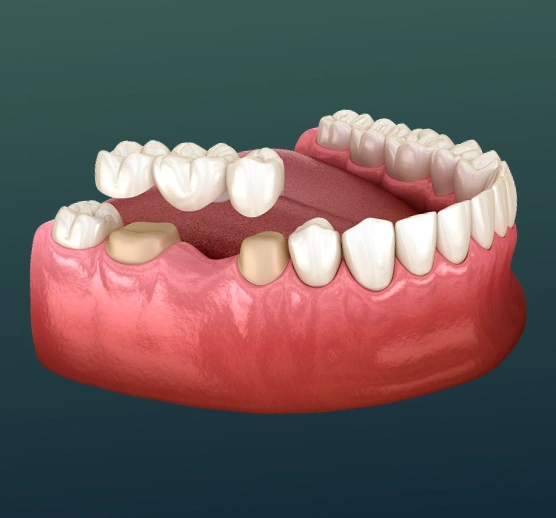
A missing tooth affects more than the way your smile looks. It can shift the way you chew, place added strain on neighboring teeth, and gradually allow surrounding teeth to drift out of position. At Pearl Shine Dental in Houston, dental bridges are used to fill that space with a custom-made restoration that is anchored securely in place, restoring both function and appearance without the gap ever being noticeable.
Left unaddressed, even a single missing tooth can lead to a chain reaction of changes throughout the mouth, making the surrounding bite less stable over time. A bridge intervenes early in that process, holding the remaining teeth in their proper position while giving you back the ability to chew with confidence, which is why patients from Houston as well as Cypress, Tomball, and The Woodlands trust Pearl Shine Dental with this restoration.
Schedule a Bridge Consultation
Benefits of Replacing a Missing Tooth with a Bridge
Leaving a missing tooth unaddressed can lead to a range of complications over time, which is why replacing it sooner rather than later tends to produce the best results.
- Restored chewing function: A bridge fills the gap so you can bite and chew comfortably again
- Prevents teeth from shifting: Neighboring teeth are less likely to drift into the empty space over time
- Maintains facial structure: Filling the gap helps prevent the sunken appearance that can develop from missing teeth
- Improved speech: Gaps from missing teeth can affect pronunciation, which a bridge helps correct
- Natural, seamless appearance: Modern bridge materials are shaded and shaped to blend with surrounding teeth
Are You a Candidate for a Dental Bridge?
Most patients missing one or more teeth in a row, with healthy teeth remaining on either side of the gap, are good candidates for a traditional bridge. The teeth supporting the bridge need to be strong enough to anchor the restoration, so a thorough exam is used to confirm they can handle the additional support.
Patients with sufficient bone density and healthy gum tissue around the gap typically move forward without complications, while those with more significant bone loss may be guided toward an implant-supported option instead. An evaluation with our team is the most reliable way to determine which approach fits your specific situation.
The Process of Getting a Dental Bridge
Placing a dental bridge is typically completed over two visits, allowing time to fabricate a restoration that fits precisely and matches your bite.
1
Preparing the Supporting Teeth
The teeth on either side of the gap are shaped to support the bridge, which may involve removing a small amount of enamel. Local anesthetic keeps this step comfortable throughout the process.
2
Taking an Impression
A detailed impression or digital scan of the prepared teeth and the surrounding gap is captured, which is used to design a bridge that fits precisely. This step ensures the final restoration matches the shape and alignment of your bite.
3
Placing a Temporary Bridge
While your permanent bridge is being fabricated, a temporary restoration protects the prepared teeth and keeps the area functional. This also gives you a preview of how the finished bridge will look and feel.
4
Fitting the Permanent Bridge
Once ready, the permanent bridge is checked for fit, bite alignment, and appearance before being securely bonded into place. Any final adjustments are made during this visit to ensure lasting comfort.
Types of Dental Bridges Available
While a traditional bridge supported by neighboring teeth is the most common option, a few different approaches exist depending on the condition of your teeth and gums. Here is a closer look at the main types available.
- Traditional bridge: Uses crowns placed on the teeth adjacent to the gap to anchor the restoration in between
- Cantilever bridge: Anchored by a supporting tooth on only one side, useful when a healthy tooth exists on just one side of the gap
- Implant-supported bridge: Relies on dental implants rather than natural teeth for support, offering a strong, long-term option for patients missing multiple teeth in a row or lacking healthy anchor teeth nearby
Keeping Your Bridge in Good Condition
A well-made bridge can last over a decade with consistent care, but daily habits play a significant role in how long it holds up. Cleaning beneath the bridge with floss threaders or a water flosser helps prevent decay and gum irritation around the supporting teeth, since regular floss cannot pass through the connected restoration.
Avoiding excessive pressure from chewing ice or very hard foods reduces the risk of damage to the bridge or its supporting teeth. Routine dental visits allow our team to check the fit and condition of your bridge over time, catching minor issues before they affect the surrounding teeth.
Close the Gap With a Bridge Built to Last
A missing tooth does not have to affect the way you eat, speak, or smile. Schedule an appointment with Pearl Shine Dental to find out whether a dental bridge is the right way to restore your smile.
Book Appointment