12220 Jones Rd Ste C, Houston, TX 77070
Removing a Tooth Only When It Is Necessary
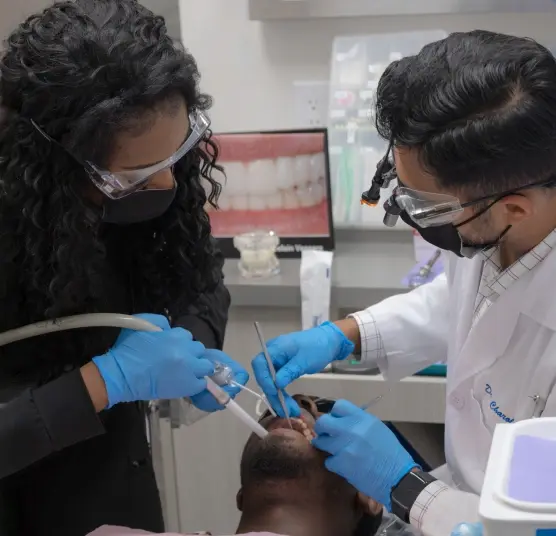
Saving a natural tooth is always the goal, but there are situations where extraction is the healthiest choice for your overall oral health. At Pearl Shine Dental in Houston, tooth extractions are performed only after other treatment options have been fully considered, whether the issue involves severe decay, advanced gum disease, a fractured tooth, or overcrowding that is affecting the alignment of surrounding teeth.
Patients from Houston, as well as nearby communities such as Cypress, Tomball, and The Woodlands, trust our team to handle extractions with care while also planning ahead for whatever replacement option may be needed afterward. Whenever a tooth does need to come out, the focus quickly shifts to protecting the health of the surrounding teeth and bone for whatever comes next.
Schedule an Extraction Consultation
When Extractions Are Recommended
While preserving a natural tooth is always preferred when possible, there are clear situations where extraction protects your long-term oral health more effectively than continued treatment.
- Stops the spread of infection: Removing a severely decayed or infected tooth prevents bacteria from affecting neighboring teeth
- Relieves persistent pain: Extraction can offer immediate relief when a tooth is too damaged to be saved
- Prepares for orthodontic treatment: Removing a tooth can sometimes create the space needed for proper alignment
- Addresses impacted teeth: Extraction is often necessary for teeth, such as wisdom teeth, that cannot fully emerge
- Protects overall oral health: Removing a failing tooth can prevent complications that affect the bone and surrounding teeth
Signs You May Need a Tooth Extracted
Persistent pain that does not improve with other treatment, a tooth that is loose due to advanced gum disease, or a fracture that extends below the gumline are all common reasons extraction becomes the recommended path forward. Severe decay that has destroyed too much of the tooth structure to support a filling or crown, as well as impacted wisdom teeth causing pain, swelling, or crowding, are also frequent reasons patients are referred for extraction.
In many cases, a tooth showing these signs was likely treatable at an earlier stage, which is part of why routine exams matter so much in catching problems before extraction becomes the only remaining option.
What to Expect During Your Extraction
Every extraction is planned carefully in advance, with the goal of keeping the procedure as comfortable and efficient as possible.
1
Evaluation and Imaging
Our team reviews your symptoms and takes X-rays to fully understand the position and condition of the tooth before treatment. This step also helps identify whether any complicating factors need to be addressed during the procedure.
2
Numbing the Area
Local anesthetic is administered to ensure the tooth and surrounding tissue are completely numb before the extraction begins. Most patients feel pressure but no sharp pain throughout the process.
3
Removing the Tooth
The tooth is carefully loosened and removed using specialized instruments designed to protect the surrounding bone and tissue. Straightforward extractions are often completed within a matter of minutes.
4
Aftercare Instructions
Once the tooth is removed, our team provides detailed guidance on caring for the extraction site as it begins to heal. This includes information on managing swelling, discomfort, and what foods to avoid in the days following treatment.
How Simple and Surgical Extractions Differ
Not every extraction follows the same process, since the complexity of the procedure depends largely on the position and condition of the tooth being removed. A simple extraction is used for a tooth that is fully visible above the gumline and can be removed with standard instruments in a single, straightforward procedure.
A surgical extraction is needed when a tooth has broken at the gumline, has not fully emerged, or requires a small incision to access properly, which is often the case with impacted wisdom teeth. Our team will determine which approach applies to your situation during your evaluation and walk you through what to expect based on the specific type of extraction needed.
Recovering From a Tooth Extraction
Most patients experience some swelling and mild discomfort for the first few days following an extraction, which typically improves steadily with rest and over-the-counter pain relief. Keeping the extraction site clean while avoiding vigorous rinsing or brushing directly over the area helps protect the healing blood clot that forms in the socket. Soft foods are recommended for the first day or two, gradually returning to a normal diet as comfort allows. Contacting our office if pain worsens, bleeding continues beyond the first day, or signs of infection develop allows any concerns to be addressed quickly during recovery.
Planning What Comes Next
Once a tooth has been removed, discussing replacement options sooner rather than later helps prevent complications like shifting teeth or bone loss in the area. Depending on the location of the extracted tooth and your overall oral health, options such as a dental implant, bridge, or partial denture may be recommended to restore function and appearance.
Addressing replacement early also tends to simplify treatment, since waiting can allow surrounding teeth and bone to change in ways that make future restoration more involved. Our team will discuss these options with you as part of your extraction consultation, so you leave with a clear picture of what comes next.
Relieve Pain and Protect Your Oral Health
An extraction is never the first choice, but when it is the right one, having a clear plan makes all the difference. Schedule an appointment with Pearl Shine Dental to address a problem tooth and explore what comes next for your smile.
Book Appointment